Your upstairs bedroom is freezing in January and stuffy by July. The furnace runs constantly, and the heating bill keeps creeping up. Sooner or later, someone points to the attic, and the next thing you hear is a pitch for spray foam.
Spray foam can be an excellent choice. It can also be the wrong one, or more than a home needs. This guide explains how spray foam works, how it compares to other attic insulation, and how to decide what fits a Puyallup home.
Why Attic Insulation Matters So Much
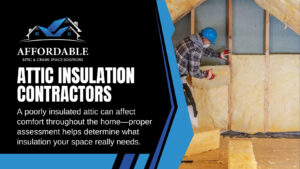
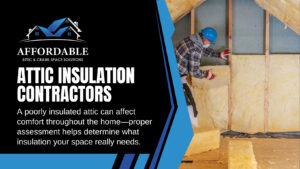
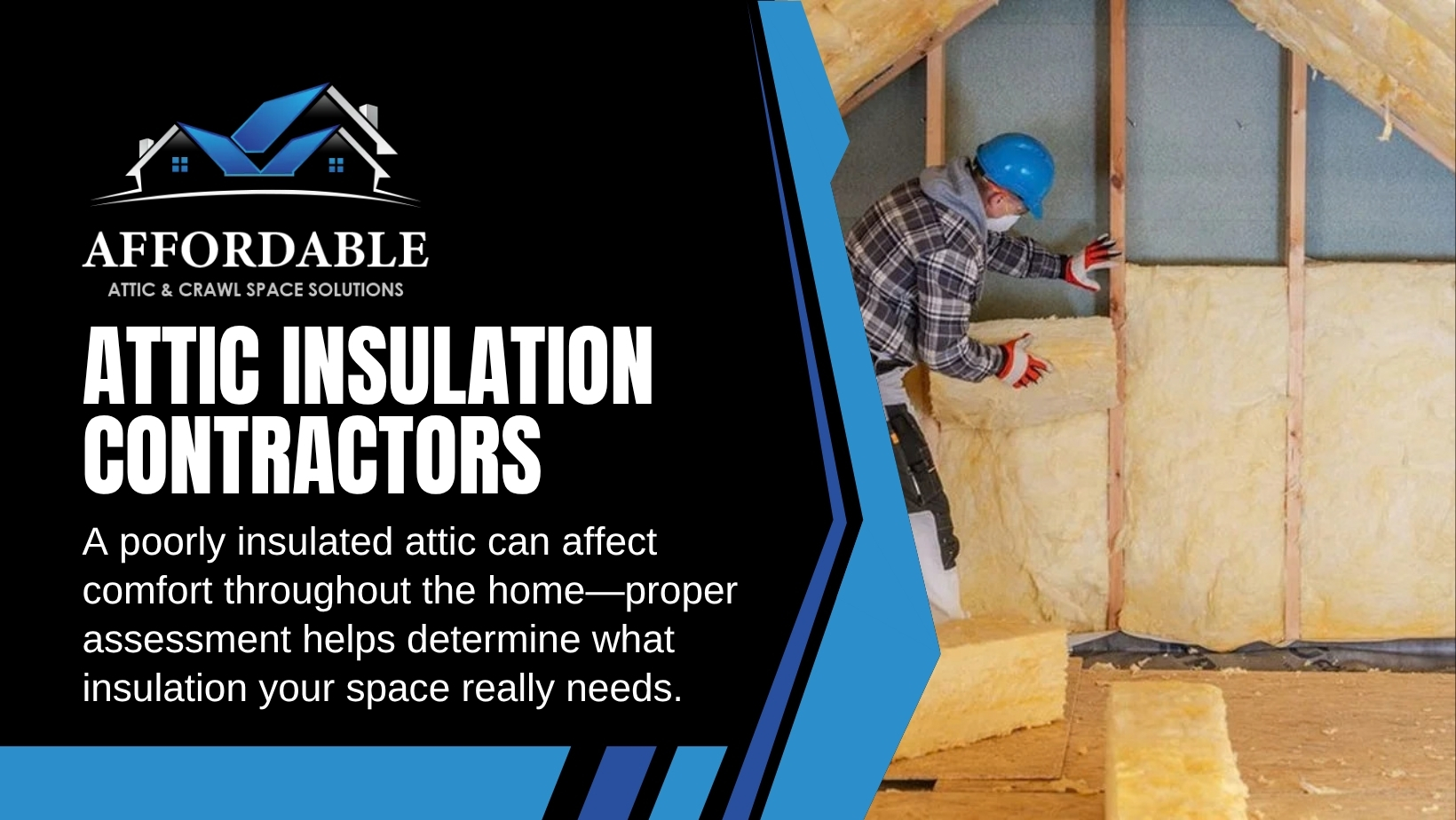
Heat rises, and in winter it rises straight into the attic. Without enough insulation, or with gaps that let air leak through, the warmth you paid for escapes through the roof. In summer, the process reverses, and a hot attic pushes heat down into your living space.
In the Pacific Northwest, damp weather adds another layer. Insulation that gets wet, compressed, or contaminated loses much of its ability to do its job.
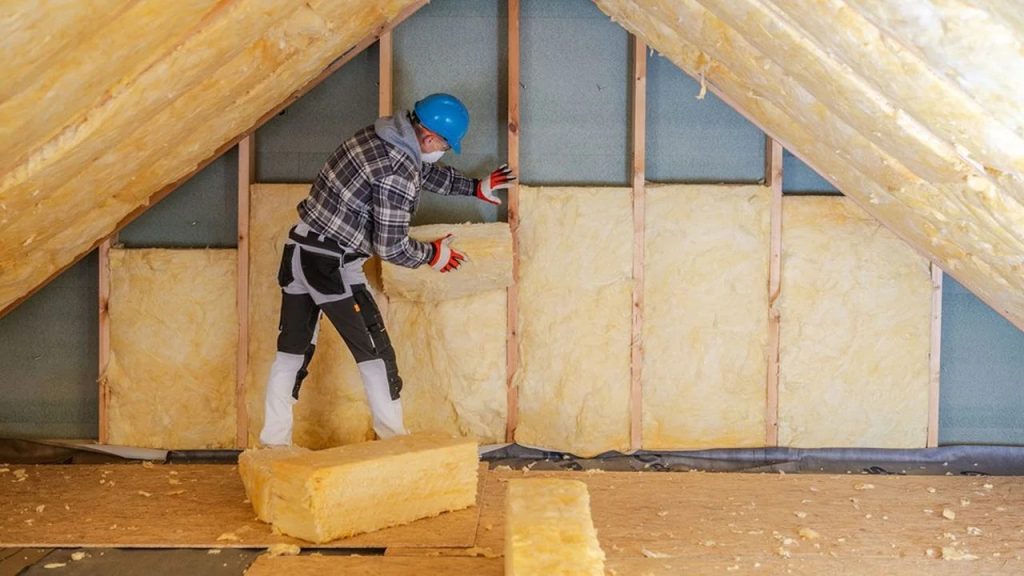
How Spray Foam Insulation Works
Spray foam is applied as a liquid that expands and hardens in place. Because it fills gaps as it expands, it both insulates and seals air leaks in one step. That air-sealing ability is its biggest advantage over many traditional materials.
There are two main types.
Open-cell spray foam
- Softer and lighter
- Expands more, which helps it fill irregular spaces
- Lower insulating value per inch than closed-cell
- Lets some moisture vapor pass through
- Generally less expensive than closed-cell
Closed-cell spray foam
- Dense and rigid
- Higher insulating value per inch
- Acts as a barrier to moisture vapor at proper thickness
- Adds some rigidity to the surfaces it’s applied to
- Generally the more expensive of the two
Other Common Attic Insulation Options
Spray foam isn’t the only path to a warmer, more efficient home.
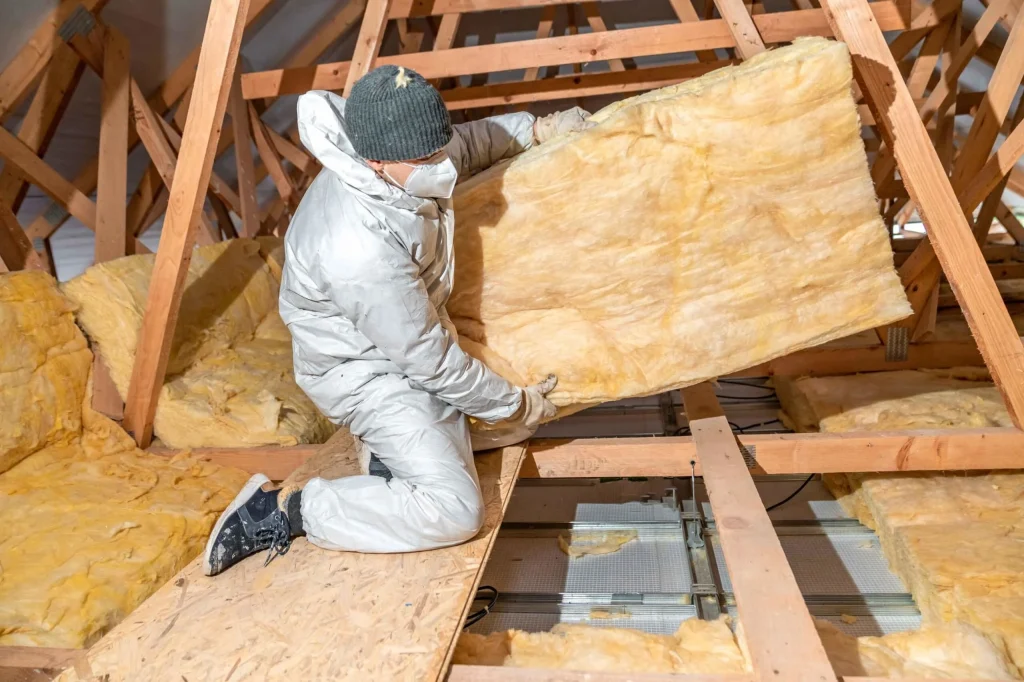
| Insulation type | How it’s installed | Strengths | Things to consider |
| Blown-in fiberglass | Loose fill blown across the attic floor | Covers large areas quickly, budget-friendly | Works best when air leaks are sealed first |
| Blown-in cellulose | Loose fill made from treated recycled paper | Fills gaps well, good coverage | Can settle over time; must stay dry |
| Fiberglass batts | Pre-cut rolls fitted between joists | Familiar, widely available, easy to inspect | Gaps and compression reduce effectiveness |
| Radiant barrier or reflective insulation | Reflective material, often aluminized | Reflects radiant heat | Typically paired with other insulation |
| Spray foam | Sprayed and expanded in place | Insulates and air-seals at once | Higher upfront cost; professional install only |
Pros and Cons of Spray Foam
Where spray foam shines:
- Seals air leaks and insulates in one application
- Reaches tight, awkward spaces
- Closed-cell resists moisture
- Long-lasting when properly installed
Where it may not be the best fit:
- Higher upfront cost than most alternatives
- Not a DIY project; it requires trained installers and protective equipment
- The home may need to be vacated for a period during installation and curing, depending on the product
- Harder to remove or change later
- Spraying the underside of the roof changes how the attic is ventilated, which needs to be designed carefully
How to Choose the Right Insulation for Your Attic
Start with the attic you have, not the product being sold. A few questions point you in the right direction:
- What’s up there now? If the existing insulation is wet, moldy, or contaminated by rodents, it usually needs to be removed before anything new goes in.
- Where are the air leaks? Gaps around light fixtures, vents, plumbing, and the attic hatch let warm air escape. Sealing them can matter as much as the insulation itself.
- Is there a moisture problem? Fix leaks, ventilation, and condensation issues first. Insulation can’t solve a moisture problem and can make it worse.
- What’s your budget? Blown-in insulation over well-sealed gaps can deliver strong results for less than a full spray foam job.
- How long will you stay in the home? Long-term owners may weigh upfront costs differently.
Mistakes to Avoid
- Adding new insulation over old, damaged material. You can trap moisture, odors, or contamination.
- Skipping air sealing. Even thick insulation underperforms if air moves freely around it.
- Blocking attic ventilation. Covering soffit vents with insulation can lead to moisture buildup.
- Choosing on a sales pitch alone. Ask why a specific material is being recommended for your home.
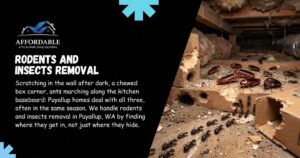
- Ignoring pests. Rodents can damage new insulation quickly if entry points aren’t sealed.

Attic Insulation With Affordable Attic & Crawl Space Solutions
We’re a veteran-owned, family business with 15 years of experience in attic and crawl space work. In Puyallup, we provide attic insulation, attic cleaning, crawl space insulation, rodent and insect removal, and mold removal. That matters for insulation projects, because the attic often needs to be cleaned out and pest-proofed before new insulation can do its job.
Every project starts with a thorough evaluation, so we can recommend the option that fits your attic and your budget instead of a one-size-fits-all pitch. We also offer free estimates. Learn more about our crawl space cleaning in Puyallup, WA, and our attic insulation services in Puyallup.
Conclusion
Spray foam is a strong option, but it isn’t the only one, and it isn’t right for every attic. Start with an honest look at what’s up there, fix moisture and pest problems first, seal the air leaks, and choose insulation that fits your home and your budget. If you’re in Puyallup or nearby, call (253) 307-8980 or email AffordableCrawl@gmail.com to schedule a free estimate.
Frequently Asked Questions
Is spray foam the best attic insulation?
It’s one of the most effective at sealing air leaks, but “best” depends on your attic, moisture conditions, and budget. Many homes do well with blown-in insulation paired with careful air sealing.
What’s the difference between open-cell and closed-cell spray foam?
Open-cell is lighter, less expensive, and lets some vapor through. Closed-cell is denser, insulates more per inch, and resists moisture.
Do I need to remove old insulation first?
If it’s wet, moldy, compressed, or contaminated by pests, yes. Clean, dry insulation can sometimes stay in place.
Can I install spray foam myself?
It’s not recommended. Spray foam requires trained installers, proper equipment, and safety precautions.
How do I know if my attic needs more insulation?
Uneven room temperatures, rising energy bills, ice or condensation issues, and visibly thin or damaged insulation are common signs. An inspection gives you a clear answer.