If you’ve walked past your floor vents lately and caught a whiff of something damp and earthy, there’s a good chance the problem isn’t in your living room at all. It’s underneath it. Crawl space cleaning in Puyallup has become one of the most requested home maintenance services in Pierce County, and for good reason. Between our clay-heavy soil, a high water table near the Puyallup River valley, and a housing stock that includes plenty of homes built decades before modern vapor barrier codes existed, local crawl spaces take a beating.
This guide walks through what’s actually happening under your home, why Puyallup’s climate makes the problem worse than in drier regions, what a professional cleaning and mold removal process really involves, and how to tell whether your situation calls for a quick clean-up or a more serious remediation. Whether you’re dealing with a musty smell you can’t place, visible mold spots near a recent inspection, or you just bought a home in South Hill or Woodland and want peace of mind, you’ll find real answers here.
Why Puyallup Crawl Spaces Are Especially Prone to Mold and Moisture
Puyallup sits in a valley shaped by the Puyallup River and fed by runoff from Mount Rainier’s glaciers. That geography is beautiful, but it also means the soil around a large share of local homes holds water longer than soil in higher, better-drained areas. Add in the Pacific Northwest’s wet season, which regularly stretches from October through May, and you’ve got a recipe for chronically damp ground beneath your house.
Most homes built before the early 2000s in neighborhoods like South Hill, Sunrise, and parts of downtown Puyallup were constructed with minimal or no vapor barrier in the crawl space. Even homes with a barrier often have one that’s torn, incomplete, or was never sealed at the seams. Without a proper barrier, moisture evaporating from bare soil rises directly into the crawl space air, where it condenses on cool surfaces like floor joists, insulation, and ductwork.
Here’s the part most homeowners don’t realize: warm, humid air from the ground doesn’t stay contained down there. Through what’s known as the stack effect, air from the crawl space gets pulled upward into the living space above through gaps around plumbing penetrations, electrical chases, and subfloor seams. Studies on indoor air quality have found that a meaningful percentage of the air inside a home’s first floor originated in the crawl space. That means the mold spores, musty odor, and allergens living under your feet aren’t staying under your feet.
Signs You Need Crawl Space Cleaning or Mold Removal
Not every homeowner realizes they have a crawl space problem until it’s pointed out during a home sale or a pest inspection. Here are the most common warning signs we see in Puyallup homes:
- A persistent musty or “basement” smell, especially noticeable near floor vents or in rooms above the crawl space entrance
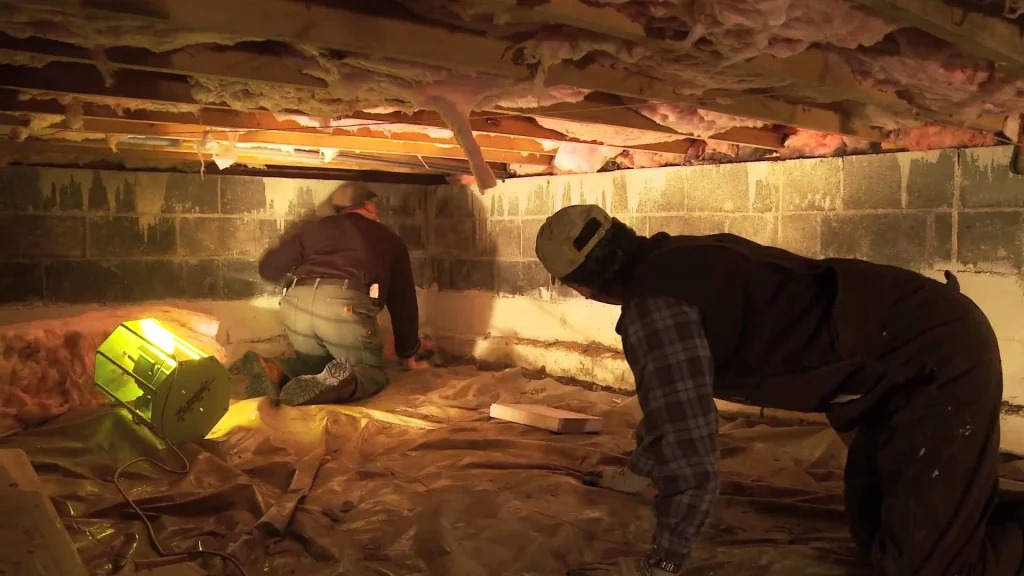
- Visible mold spots on floor joists, subfloor, or insulation when viewed through the crawl space access panel
- Sagging, damp, or discolored insulation hanging from the underside of the floor
- Increased allergy symptoms or respiratory irritation that improve when you’re away from home
- A spike in humidity readings inside the home, particularly on the lowest floor
- Standing water, damp dirt, or a sour smell right after heavy Puyallup rainfall
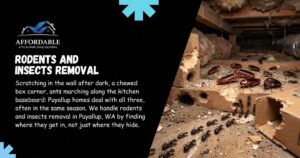
- Wood-destroying pests like rodents or insects, which are often drawn to damp, organic-rich crawl space environments
- A real estate inspection report flagging “microbial growth” or “excess moisture” in the crawl space
If two or more of these sound familiar, it’s worth scheduling a professional inspection before the problem spreads further into structural wood or HVAC components.
What Causes That Musty Crawl Space Odor?
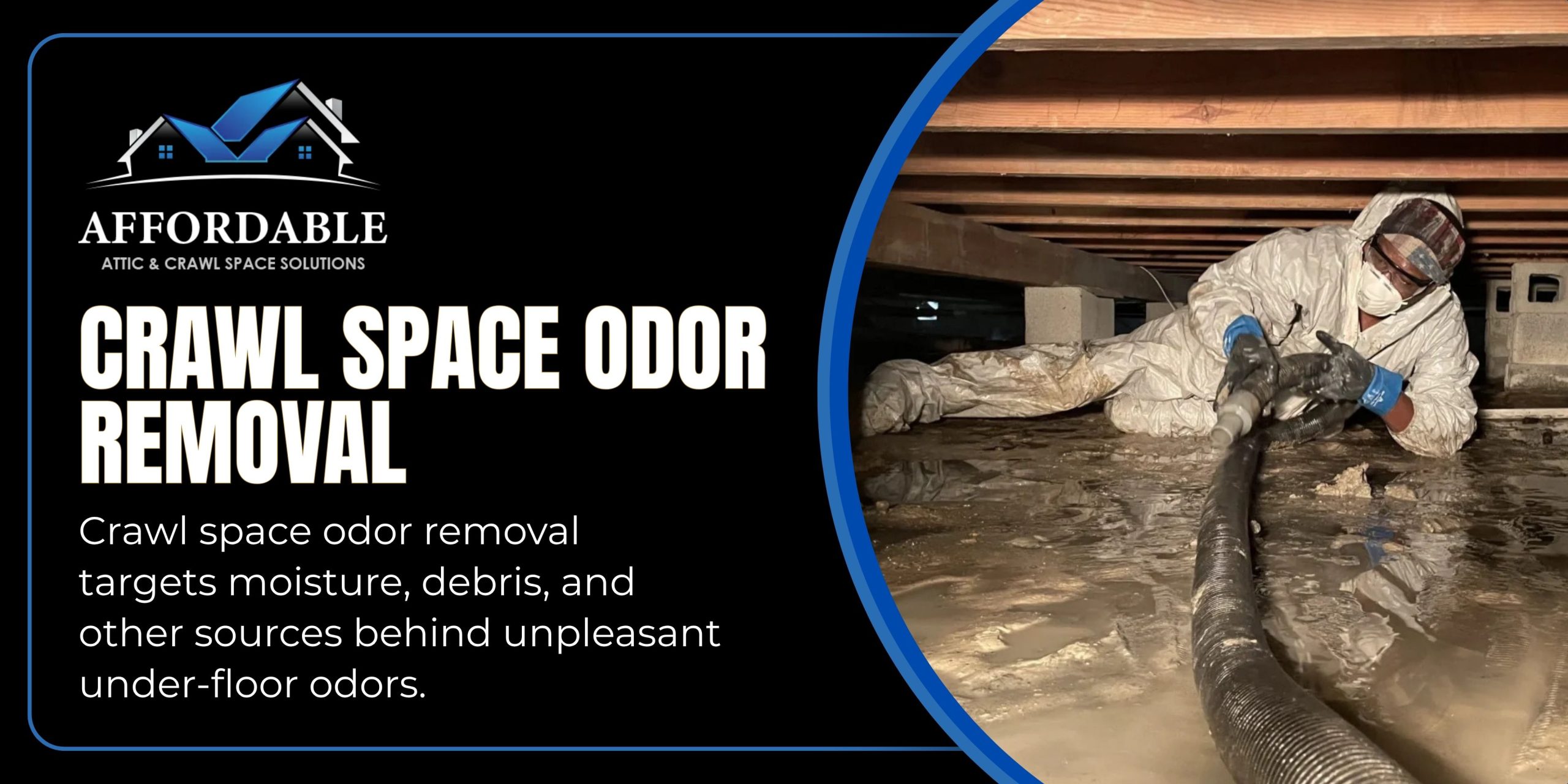
The smell itself is a chemical signal, not just an unpleasant nuisance. When mold and certain bacteria colonize damp wood, insulation, or soil, they release microbial volatile organic compounds, often shortened to MVOCs, as a byproduct of digesting organic material. These compounds are what create that distinctive earthy, musty odor most people associate with basements and crawl spaces.
A few common odor sources we identify during crawl space odor removal jobs in Puyallup include:
- Active mold colonies on wood framing or insulation backing
- Decomposing organic debris left behind by previous construction (wood scraps, cardboard, old insulation)
- Standing or recently evaporated water that saturated dirt or gravel
- Rodent droppings and nesting material, which carry their own distinct ammonia-like smell
- Sewer gas leaking from a cracked or disconnected pipe joint under the home
This last point matters because homeowners sometimes assume every bad crawl space smell is mold, when it could be a plumbing issue that a cleaning alone won’t fix. A proper inspection distinguishes between these causes before any treatment begins, which is why odor removal and mold remediation are usually addressed together rather than as separate guesswork.
The Professional Crawl Space Cleaning Process, Step by Step
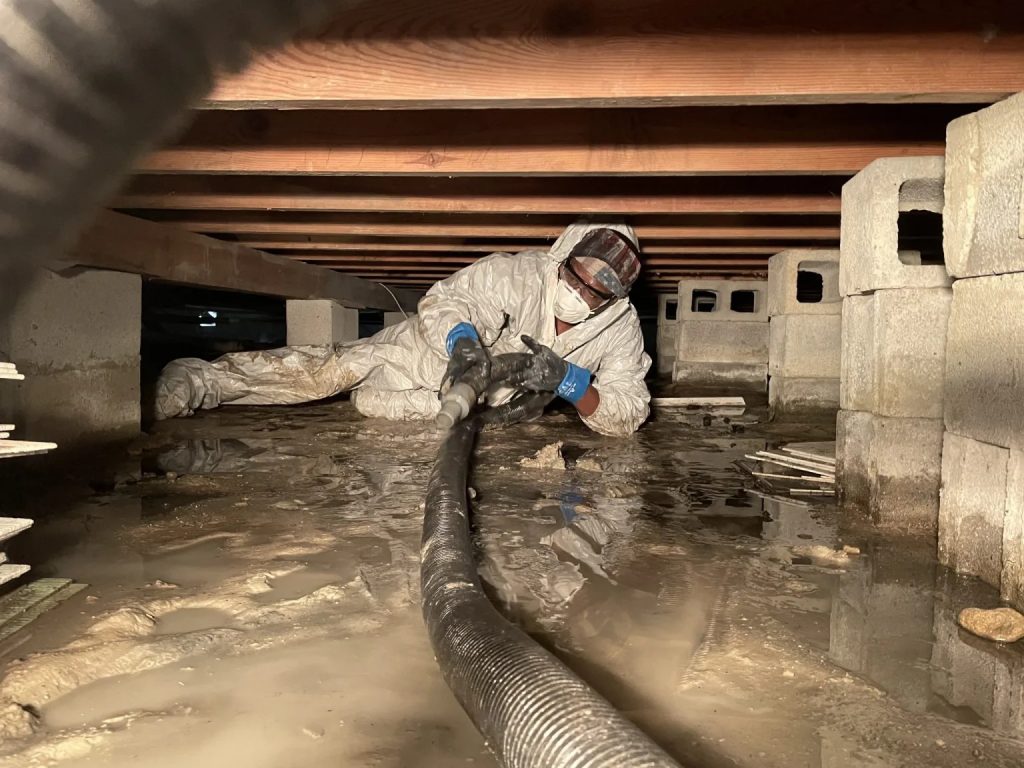
A thorough crawl space cleaning is not a quick spray-and-go job. Here’s what a professional process typically looks like when done correctly in a Puyallup home:
Initial Inspection and Assessment
A technician enters the crawl space with proper lighting and moisture meters to check joist moisture content, identify visible mold, locate the source of any odor, and photograph problem areas. This step also confirms whether pests, standing water, or plumbing issues are contributing factors.
Debris and Contaminant Removal
Old insulation that’s wet, moldy, or pest-damaged gets removed. Construction debris, rodent nesting material, droppings, and any organic waste are cleared out. This step alone often resolves a large portion of the odor problem, since removing the food source for mold and bacteria stops the smell at its origin.
Mold Treatment
Visible mold growth on framing, subfloor, and other surfaces is treated using an antimicrobial solution designed for wood-safe application. Depending on severity, this may involve manual scrubbing, HEPA vacuuming of spores, or application of an EPA-registered treatment that inhibits future regrowth. Heavily damaged wood that’s compromised structurally may need repair or replacement, which is flagged separately from the cleaning scope.
Sanitization and Deodorizing
Once mold is treated and debris is cleared, an antimicrobial fogging or sanitizing treatment addresses lingering spores and bacteria in the air and on surfaces. This is the step that directly targets crawl space odor removal, neutralizing the compounds responsible for the musty smell rather than just masking it.
Moisture Source Correction
Cleaning without fixing the moisture source is a temporary win. A qualified technician identifies why the crawl space got damp in the first place: poor drainage, a missing or damaged vapor barrier, inadequate ventilation, or a plumbing leak. Recommendations at this stage might include a new vapor barrier, sump pump installation, or drainage improvements.
Final Walkthrough and Documentation
Before-and-after photos, a written summary of work performed, and recommendations for ongoing maintenance are provided. This documentation is especially valuable if the cleaning was prompted by a home sale inspection, since it gives buyers and lenders confidence the issue was properly addressed.
Crawl Space Cleaning vs. Full Mold Remediation: What’s the Difference?
Homeowners often use “cleaning” and “mold removal” interchangeably, but there’s a meaningful difference in scope, and knowing which one you need affects both cost and timeline.
A professional crawl space mold removal service in Puyallup should be able to tell you honestly which category your home falls into after the initial inspection, rather than defaulting to the more expensive option. If your crawl space just needs debris cleared and a light sanitizing pass, that’s what you should be quoted for.
How Much Does Crawl Space Cleaning Cost in Puyallup?
Pricing depends heavily on square footage, accessibility, the extent of mold or debris, and whether moisture correction work is bundled in. As a general range for the Puyallup and broader Pierce County area:
- Basic crawl space cleaning and debris removal: typically a few hundred dollars for smaller, easily accessible spaces
- Mold treatment and sanitization: added cost depending on the square footage affected and severity of growth
- Full remediation with insulation replacement and vapor barrier installation: the highest end of the range, since it involves more labor and materials
The most reliable way to get an accurate number is a free or low-cost in-person inspection rather than a phone estimate, since crawl space conditions vary enormously even between similar-sized homes on the same street. A company that guarantees a price without seeing the space in person is often either padding the estimate or planning to add “surprise” charges later.
Health Risks of Ignoring Crawl Space Mold
Mold spores and MVOCs migrating from an untreated crawl space into your living space aren’t just an odor issue. Depending on individual sensitivity, exposure has been associated with:
- Worsened asthma and allergy symptoms
- Chronic sinus irritation or congestion
- Headaches linked to prolonged exposure in poorly ventilated homes
- Skin or eye irritation in sensitive individuals
- General fatigue that some occupants report improving once the crawl space is remediated
Children, elderly household members, and anyone with existing respiratory conditions tend to be more affected by poor crawl space air quality. This is part of why realtors and home inspectors in Pierce County increasingly flag crawl space moisture and mold as a priority item rather than a cosmetic note.
Preventing Future Mold and Odor Problems After Cleaning
A professional cleaning resets the crawl space, but keeping it that way requires a few ongoing habits and, in many cases, a permanent moisture control upgrade:
- Install or repair a full vapor barrier across the entire crawl space floor, not just partial coverage
- Make sure crawl space vents aren’t blocked by landscaping, debris, or stored items
- Check gutters and downspouts route water at least several feet away from the foundation, which matters enormously given Puyallup’s rainfall.
- Grade soil near the foundation so water flows away from the house rather than pooling
- Consider a dehumidifier or crawl space encapsulation system for homes with chronically high humidity readings.
- Schedule an annual crawl space inspection, ideally before the wet season ramps up in fall
Homeowners who pair a professional cleaning with even one or two of these preventive steps see dramatically fewer repeat issues than those who treat cleaning as a one-time fix.
Choosing a Professional Crawl Space Mold Removal Company in Puyallup
Not every contractor who says they handle crawl spaces has the training or equipment for proper mold removal. When vetting a provider, look for:
- Technicians trained specifically in mold remediation protocols, not just general pest or insulation work
- Use of moisture meters and documented before/after readings, not just a visual guess
- EPA-registered antimicrobial products rather than generic bleach-based treatments, which can actually damage wood over time without fully killing mold at the root
- A written scope of work and photo documentation, especially important if the cleaning is tied to a real estate transaction
- Local experience with Puyallup-area homes and soil conditions, since a company unfamiliar with the region may underestimate moisture sources.
- Clear communication about what’s cleaning versus what’s remediation, so you’re not upsold on services you don’t need
A trustworthy provider will walk you through their findings honestly, including telling you if your crawl space doesn’t need the full remediation package.
Conclusion
Crawl space cleaning in Puyallup isn’t just about eliminating an unpleasant smell, though that’s often what prompts the first phone call. It’s about protecting the structural wood under your home, improving the air your family breathes every day, and catching moisture problems before they turn into a much larger repair bill. Given how much local rainfall and soil conditions work against homeowners here, a proactive inspection is one of the more cost-effective things you can do for an older Puyallup home.
If it’s been more than a couple of years since anyone looked under your house, or if you’ve noticed that musty smell creeping into your living space, it’s worth getting a professional set of eyes on it sooner rather than later.
FAQ
How much does crawl space cleaning cost in Puyallup, WA?
Cost depends on square footage, accessibility, and mold severity. Basic cleaning starts in the low hundreds of dollars, while full mold remediation with vapor barrier work costs more. An in-person inspection gives the most accurate quote for your specific home.
How do I know if my crawl space has mold or just moisture?
Visible fuzzy or discolored patches on wood usually indicate mold, while damp soil or condensation without discoloration suggests moisture without active growth yet. A professional inspection with a moisture meter can confirm which issue you’re dealing with.
Can crawl space mold make my family sick?
Yes, in sensitive individuals. Mold spores and airborne compounds can worsen asthma, allergies, and sinus irritation, especially since crawl space air often migrates into your living space through small gaps and cracks in the subfloor.
How long does crawl space cleaning take?
Basic cleaning typically takes a few hours for an average-sized crawl space. Full mold remediation with insulation replacement and vapor barrier installation can take one to three days depending on severity and square footage.
Will cleaning alone stop crawl space odor from coming back?
Cleaning removes existing debris and mold, but if the underlying moisture source isn’t fixed, the odor often returns. Pairing cleaning with vapor barrier installation and proper drainage gives the longest-lasting results.
How often should I have my crawl space inspected in Puyallup?
An annual inspection is a reasonable baseline, ideally scheduled before the wet season begins in fall. Homes with a history of moisture issues or older, unbarriered crawl spaces may benefit from checking twice a year.