If you’ve noticed a musty smell drifting up from your crawl space, dark speckling in a bathroom corner that keeps coming back no matter how many times you scrub it, or a damp, heavy feeling in certain rooms of your Puyallup home, you’re not imagining things. Mold removal in Puyallup is one of the most searched home repair topics in Pierce County for a simple reason: this valley was built for moisture to collect, and a lot of homes here were built decades before anyone thought carefully about how to stop it.
This guide walks through what’s actually happening in your home when mold shows up, how to tell a minor issue from a serious one, what professional remediation involves step by step, what it tends to cost, and how to keep it from coming back. No scare tactics, no vague promises, just the information you need to make a smart decision about your house.
Why Puyallup Homes Are Especially Prone to Mold
Puyallup sits in a river valley at the base of Mount Rainier, on soil that includes significant amounts of clay and Briscot loam, both of which drain slowly. Combine that with the Pacific Northwest’s wet season, roughly October through May, and you get a landscape where groundwater sits close to the surface for months at a time. Homes built on crawl space foundations, which is the majority of housing stock in the older neighborhoods around Meridian, South Hill, and the Puyallup River corridor, are especially exposed. Water doesn’t have far to travel before it reaches the wood framing under your floors.
Add in the region’s average of 150 or more rainy days per year, and you have a near-constant moisture cycle working against your subfloor, joists, and insulation. Vapor barriers installed in the 1970s through 1990s were often minimal or have degraded, which means humidity rises directly from the soil into the crawl space, condenses on cool wood surfaces, and creates exactly the environment mold spores need to establish a colony. This isn’t a flaw specific to bad construction; it’s a predictable outcome of building in this particular valley with older-generation materials.
What Mold Actually Needs to Grow (And Why That Matters)
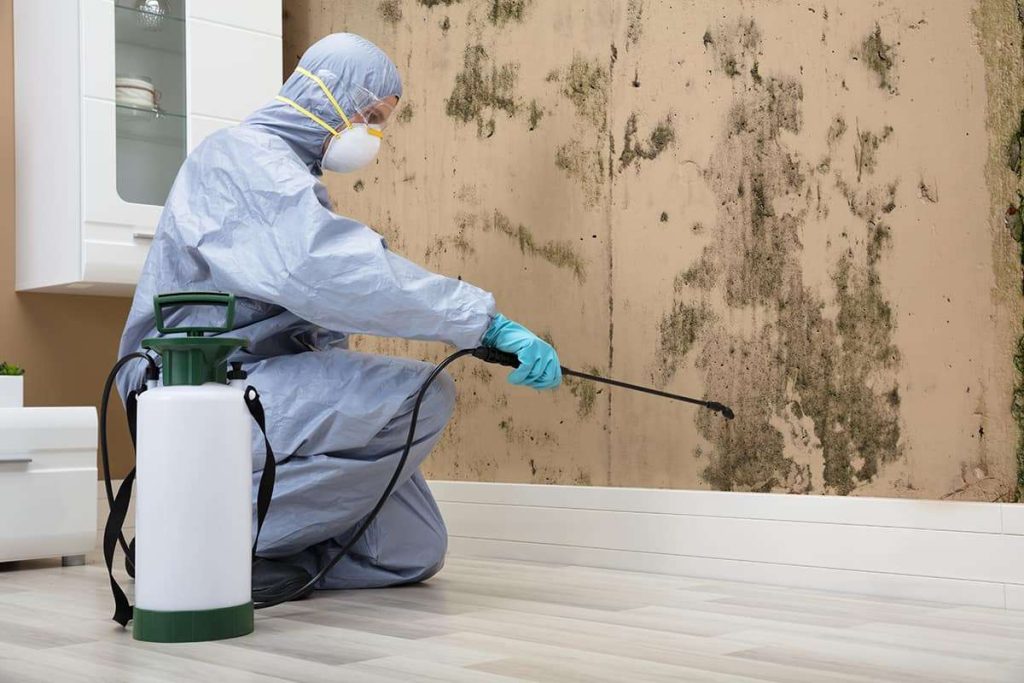
Mold spores are already present in outdoor and indoor air everywhere, all the time. They’re harmless in small, dry conditions. The problem starts when three things line up at once:
- A moisture source, whether that’s a leaking pipe, poor grading around the foundation, condensation on cold surfaces, or rising damp from unsealed crawl space soil
- An organic food source, which includes wood framing, drywall paper, insulation backing, and dust
- Stagnant air with limited airflow, which is common in enclosed crawl spaces and poorly ventilated attics
Once those three factors are present for roughly 24 to 48 hours, mold can begin colonizing. That’s a much shorter window than most homeowners assume, which is why a slow leak under a kitchen sink or a crawl space with standing water after a hard rain can turn into a real problem faster than people expect.
Black Mold vs. Other Common Household Molds
“Black mold” gets used loosely to describe almost anything dark growing in a home, but it’s worth understanding the difference because it affects both urgency and treatment approach.
The honest reality is that color alone can’t tell you which species you’re dealing with. Lab testing is the only way to confirm species, though for the purposes of remediation, professionals generally treat any active colony the same way: contain it, remove contaminated material, treat the surface, and eliminate the moisture source. If it’s growing and spreading, it needs to go, regardless of which shade of dark it happens to be.
Warning Signs You Likely Need Mold Remediation
Some signs are obvious. Others are easy to write off as “just an old house smell” for months before someone finally calls a professional. Watch for:
- A persistent musty or earthy odor, especially near floor vents or in a crawl space access area
- Visible dark, green, or white patches on wood framing, drywall, or insulation
- Warped or soft flooring, particularly near exterior walls or bathrooms
- Increased allergy symptoms at home that improve when you’re away, such as sneezing, headaches, or respiratory irritation
- Condensation buildup on windows or in the crawl space during colder months
- A recent history of flooding, roof leaks, or plumbing failures that weren’t fully dried out
If you’re noticing two or more of these at once, it’s worth scheduling an inspection rather than waiting to see if it gets worse. Mold rarely resolves on its own, and the longer it sits, the more structural material it can compromise.
Health Considerations for Puyallup Households
Indoor air quality organizations, including the EPA and CDC, generally agree that mold exposure doesn’t affect everyone the same way. For a healthy adult, brief exposure to a small patch of mold might cause mild irritation or nothing noticeable at all. For children, older adults, people with asthma, or anyone with a compromised immune system, prolonged exposure can lead to more persistent respiratory symptoms, worsened allergies, and general discomfort in the home.
This is one reason mold remediation in Puyallup gets taken seriously by local health-conscious homeowners rather than treated as a cosmetic annoyance. It’s not that every patch of mildew is a medical emergency; it’s that indoor air quality compounds over time, and a crawl space colony left untreated for a year or two doesn’t stay contained to the crawl space. Spores travel through floor gaps, HVAC returns, and stack effect airflow into the living space above.
DIY vs. Professional Mold Removal: Where the Line Actually Is
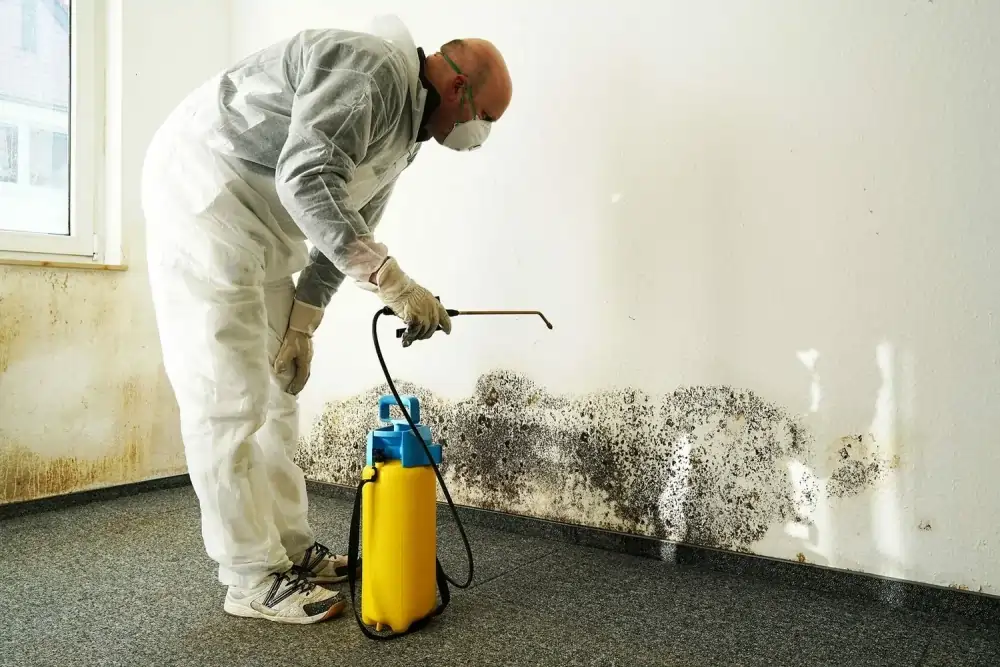
Not every mold spot needs a professional crew, and it’s worth being upfront about that. If you’re dealing with a small patch, generally less than about 10 square feet, on a non-porous surface like tile or a sealed countertop, and the moisture source is obvious and easy to fix, a homeowner can often handle it with proper protective equipment and a mold-specific cleaner.
Where DIY stops making sense:
- Mold covering more than roughly 10 square feet of surface
- Mold inside HVAC ductwork
- Mold on porous materials like drywall, subfloor, or insulation that has absorbed moisture
- Mold that keeps returning after cleaning, which signals an unresolved moisture source
- Any mold discovered in a crawl space, since the enclosed environment and structural wood framing require containment, protective gear, and equipment most households don’t have
- Situations involving anyone in the household with asthma, allergies, or immune sensitivity
Professional residential mold removal in Puyallup exists specifically for these harder cases, where the goal isn’t just wiping a surface but stopping active fungal growth at the structural level and preventing it from regenerating.
What Professional Mold Remediation Actually Involves
A properly run remediation job follows a defined sequence, not just a quick spray-and-go visit. Here’s what a thorough process typically looks like:
Inspection and Moisture Mapping. A technician inspects the affected area, along with adjacent spaces, to identify not just where mold is visible but where moisture is coming from. This might involve a moisture meter, a visual crawl space inspection, or checking attic ventilation and insulation condition.
Containment. Before any physical removal begins, the work area is sealed off using plastic sheeting and negative air pressure where needed. This step matters more than people realize. Disturbing mold without containment can push spores into previously unaffected parts of the home.
Air Filtration. HEPA air scrubbers run during active removal to capture airborne spores, reducing cross-contamination risk to the rest of the house.
Removal and Treatment. Contaminated, non-salvageable materials, such as saturated insulation or severely compromised drywall, are removed and bagged for disposal. Salvageable wood framing is scrubbed and treated with an EPA-registered antimicrobial agent to kill active colonies and inhibit regrowth.
Drying and Moisture Correction.This is the step that separates a real remediation job from a cosmetic one. Without addressing the underlying moisture source, whether that’s a vapor barrier replacement, better crawl space ventilation, grading correction, or a plumbing fix, mold will simply return within months.
Final Inspection.A final walkthrough confirms humidity levels are back within a safe range, generally under 60 percent relative humidity in crawl spaces, and that no active growth remains.
What Does Mold Removal Cost in Puyallup?
Pricing varies significantly based on the size of the affected area, whether structural wood is involved, and whether insulation or vapor barrier replacement is part of the job. As a general range for the South Puget Sound area:
- Small, isolated surface mold (bathroom, small closet): often a few hundred dollars
- Moderate crawl space remediation with vapor barrier work: commonly runs into the low thousands
- Extensive structural remediation involving joist treatment, insulation replacement, and full containment: can run higher depending on square footage and severity.
Getting an in-person inspection is the only reliable way to get an accurate number, since photos and phone descriptions rarely capture the full scope of a crawl space problem. Most reputable local companies offer a free estimate for exactly this reason.

How to Prevent Mold From Coming Back
Remediation solves the immediate problem, but prevention is what protects your investment long-term. A few practices make a meaningful difference in Puyallup’s climate:
- Maintain a functioning vapor barrier across 100 percent of crawl space soil, not just partial coverage
- Keep gutters clean and downspouts directing water at least several feet away from the foundation
- Monitor crawl space humidity with an inexpensive hygrometer and address readings above 60 percent
- Ensure attic ventilation is unobstructed so warm, moist air isn’t trapped against the roof deck
- Address any plumbing leaks within 24 to 48 hours rather than letting them sit
- Schedule a crawl space inspection at least once a year, ideally before the wet season begins in fall
Homeowners who stay ahead of moisture management rarely deal with recurring mold problems. It’s almost always the homes with an unaddressed structural or ventilation gap that see the issue return.
Choosing a Mold Remediation Company in Puyallup
When comparing local providers, a few questions separate a serious, capable company from one that’s just going to spray a surface and leave:
- Do they inspect the moisture source, not just the visible mold?
- Do they use containment and HEPA filtration during removal?
- Do they offer documentation of the remediation for your records, particularly useful if you plan to sell the home later?
- Do they explain what caused the problem in the first place, not just how they’ll clean it up?
- Are they familiar with Puyallup-specific conditions like Briscot loam soil drainage and older crawl space construction?
A company that treats mold as a symptom of a bigger moisture issue, rather than an isolated cleaning job, is generally going to deliver results that actually last.
Conclusion
Mold in a Puyallup home is rarely a random event. It’s almost always the predictable result of this region’s soil, rainfall, and older construction methods meeting an unresolved moisture source somewhere in the crawl space, attic, or plumbing system. The good news is that it’s also entirely preventable and, when caught early, straightforward to remediate properly. Whether you’re dealing with a small bathroom patch or a full Affordable Attic & Crawl Space colony, understanding what’s actually happening under your floors is the first step toward a drier, healthier home.
FAQ’s
How long does mold remediation take in a typical Puyallup home?
Most residential jobs take one to three days depending on the size of the affected area and whether structural drying or vapor barrier replacement is needed. Larger crawl space jobs with extensive wood treatment can take longer.
Can I sell my Puyallup home if it has a mold history?
Yes, but many buyers and lenders will want documentation showing the mold was professionally remediated and the moisture source resolved. Keeping remediation records makes disclosure and resale much smoother.
Is black mold in a crawl space more dangerous than mold elsewhere?
Crawl space mold is concerning mainly because it sits directly against structural wood and can spread into living areas through airflow. Species matters less than location and how long it’s been left untreated.
Does homeowner’s insurance cover mold removal in Washington?
It depends on the cause. Mold resulting from a sudden covered event, like a burst pipe, is often covered. Mold from long-term humidity or neglected maintenance usually isn’t. Check your specific policy language.
How do I know if my crawl space humidity is too high?
A relative humidity reading above 60 percent in a crawl space creates conditions favorable for mold growth. A simple hygrometer placed in the crawl space can give you an accurate reading in minutes.
Will mold come back after professional remediation?
Not if the underlying moisture source was properly addressed. Remediation without fixing ventilation, vapor barriers, or leaks often leads to recurrence within a year, which is why source correction is a critical final step.